Blog
Why Porcelain Tile Is a Favorite for Stylish Home Design

Durable, refined, and available in an extraordinary range of finishes, porcelain tile gives homeowners the freedom to create beautiful interiors without sacrificing everyday performance.
Home design materials are expected to do more than look attractive. They need to withstand daily activity, support the way a household lives, remain relatively easy to maintain, and continue looking polished over time. Porcelain tile meets these demands while offering a level of design versatility that works across modern, traditional, transitional, coastal, minimalist, and luxury interiors.
Homeowners can use porcelain tile to recreate the warmth of wood, the elegance of marble, the texture of natural stone, or the clean simplicity of concrete. It can be installed on floors, walls, backsplashes, shower surrounds, fireplace features, patios, and other surfaces throughout a property. Because many porcelain collections are designed with coordinated colors, formats, and finishes, the material can also help create a consistent visual language from one room to another.
Its popularity is not based on appearance alone. Porcelain is known for its density, low water absorption, durability, and resistance to common forms of wear. These qualities make it suitable for high-traffic rooms and moisture-prone environments where some other decorative materials may require more maintenance.
For homeowners who want a surface that feels both stylish and practical, porcelain tile offers a compelling balance. It supports sophisticated interior design while standing up to the realities of everyday life.
Porcelain Tile Offers Exceptional Design Versatility
One of the strongest reasons porcelain tile remains a favorite in home design is its ability to take on many different visual identities. Advances in manufacturing and digital printing have made it possible to create tile with realistic veining, grain patterns, tonal variation, surface texture, and depth.
Wood-look porcelain tile can recreate the appearance of oak, walnut, ash, or reclaimed timber while offering a tile surface that is suitable for kitchens, bathrooms, entryways, and other areas where moisture may be a concern. Stone-look porcelain can mimic the movement of limestone, travertine, slate, or other natural materials, and it does not need the same sealing and maintenance routines as some types of stone.
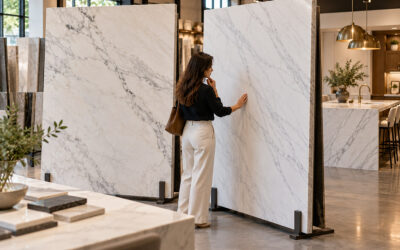
Marble-look porcelain is another popular option, particularly in bathrooms and luxury-inspired interiors. It can reproduce dramatic veining, soft cloud-like movement, or understated tonal variation. Large-format marble-look tile can create an elegant continuous surface with fewer grout lines, making walls and floors feel expansive and refined.
Concrete-look porcelain is often selected for contemporary and industrial interiors. Its subtle variation and matte texture can provide a clean architectural foundation for modern cabinetry, metal accents, natural wood, and minimalist furnishings.
Porcelain tile is also available in solid colors, geometric shapes, decorative patterns, mosaics, textured surfaces, and handcrafted-looking finishes. This variety means homeowners are not limited to imitations of other materials. Porcelain can also function as a distinctive design material in its own right.
The wide selection of sizes further expands its versatility. Small mosaics can add detail to shower floors and backsplashes, while oversized slabs and large-format tiles can create a more seamless appearance. Rectangular planks, square tiles, hexagons, chevrons, and other shapes allow the same basic material to produce very different visual effects.
“Porcelain tile gives homeowners the freedom to explore multiple design styles while maintaining a consistent level of durability and performance.”
This flexibility is especially helpful during renovations. Whether the project involves a single powder room or an entire home, porcelain tile can be adapted to the scale, function, and aesthetic goals of the space.
Durability Makes Porcelain Ideal for Everyday Living
A beautiful surface should be able to remain beautiful under normal household use. Porcelain tile is manufactured from refined clay and fired at high temperatures, creating a dense, hard material that performs well in busy homes.
Its durability makes it a strong option for high-traffic areas such as kitchens, hallways, mudrooms, family rooms, and entryways. These spaces may experience frequent foot traffic, furniture movement, spills, dirt, and everyday wear. A properly selected and installed porcelain tile can handle these conditions while maintaining its appearance.
Porcelain is also resistant to many common stains and scratches, although performance can vary by product and finish. This makes it practical for households with children, pets, frequent visitors, or an active lifestyle. Routine sweeping and mopping are generally enough to keep many porcelain surfaces looking clean.
Unlike some softer flooring materials, porcelain does not easily absorb odors or retain allergens. Its hard, nonporous surface can contribute to a cleaner-feeling environment when regularly maintained. This quality is especially attractive in kitchens, bathrooms, laundry rooms, and pet-friendly homes.
The durability of porcelain tile can also make it a long-term investment. Flooring and wall materials that require frequent replacement can lead to additional expense and disruption. Porcelain is often selected because it can provide many years of service when the installation is properly planned and completed.
However, durability does not mean every porcelain tile is appropriate for every application. Floor tile must be rated for foot traffic, and wet areas may require surfaces with suitable slip resistance. Exterior installations need products approved for outdoor conditions and the local climate. Homeowners should review technical specifications rather than selecting tile based only on appearance.
Installation quality is equally important. A strong tile installed over an improperly prepared surface can still crack or fail. Substrate preparation, mortar selection, movement joints, grout, layout, and curing all affect long-term performance. Working with experienced tile professionals helps protect the investment and ensures the material performs as intended.
Low Water Absorption Makes It a Natural Choice for Wet Areas
Bathrooms, showers, kitchens, laundry rooms, and entryways require materials that can tolerate moisture. Porcelain tile is widely used in these environments because of its low water absorption rate.
This characteristic makes porcelain well suited for shower walls, bathroom floors, tub surrounds, and other areas that regularly see water exposure. It can provide the visual appeal of stone, wood, or decorative ceramic while offering reliable performance in moisture-prone spaces.
In a shower, homeowners may use large-format porcelain tile on the walls to reduce the number of grout lines and create a clean, spa-inspired look. Smaller mosaics are often chosen for the shower floor because the additional grout joints can provide traction and help the material conform to the floor slope.
Porcelain can also be used to create a cohesive bathroom design. The same collection might include large floor tile, coordinating wall tile, mosaics, and trim pieces. This allows designers to vary the size and layout while maintaining consistent color and texture.
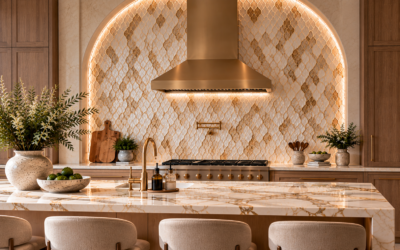
In kitchens, porcelain flooring can withstand spills, splashes, and frequent cleaning. Porcelain backsplash tile provides a durable surface behind sinks and cooking areas while contributing color, texture, or pattern to the room. Matte, glossy, textured, and dimensional finishes allow homeowners to customize the appearance based on the surrounding cabinetry and countertops.
Laundry rooms and mudrooms also benefit from porcelain tile. These practical spaces often experience water, dirt, cleaning products, and heavy use. A durable tile floor can make them easier to maintain without treating them as purely utilitarian areas.
Although porcelain itself has low water absorption, the full installation must still be designed correctly. Waterproofing systems, properly sealed transitions, appropriate grout, and professional installation are essential in showers and other wet environments. Tile should not be considered a substitute for the waterproofing assembly behind it.
“The best wet-area design combines attractive tile with the correct waterproofing, surface preparation, and installation system.”
When all components work together, porcelain tile can help create bathrooms and utility spaces that are both visually appealing and dependable.
Porcelain Tile Supports a High-End, Cohesive Look
Porcelain tile is often associated with practicality, but it can also contribute significantly to a luxury interior. Its refined finishes, precise manufacturing, large formats, and realistic surface details allow it to create a polished architectural effect.
Large-format porcelain tile is especially popular in contemporary homes. Fewer grout lines can make a room appear more spacious and visually calm. On a bathroom wall, oversized marble-look porcelain can create the impression of expansive stone slabs. On a floor, large neutral tiles can provide a seamless foundation that allows furniture, lighting, and artwork to stand out.
Porcelain slabs can be used for dramatic shower walls, fireplace surrounds, feature walls, countertops, and other applications where a continuous surface is desired. These products can reproduce natural stone patterns while offering greater consistency and potentially easier maintenance than some natural materials.
Edge details and layout decisions also influence the final appearance. Carefully aligned veining, balanced cuts, minimal transitions, and well-selected grout can elevate a porcelain installation. Conversely, poor planning can interrupt the pattern or create awkward visual breaks.
A cohesive home design may use related porcelain materials across multiple rooms. For example, a warm limestone-look tile could appear in the entryway, continue into the kitchen, and reappear in a different format in the bathroom. A wood-look porcelain plank might connect indoor and covered outdoor spaces. Coordinated materials can make the home feel larger and more thoughtfully designed.
Porcelain can also be combined with other premium finishes. It pairs well with natural wood cabinetry, or stone countertops, brushed metal fixtures, plaster walls, glass, and custom millwork. Its visual range allows it to serve as either a quiet background or a defining feature.
The material’s consistency is another advantage in large projects. Natural stone contains inherent variation, which many homeowners appreciate, but it can require careful selection and layout. Porcelain typically offers more predictable color, pattern, and thickness, although intentional variation still exists in many collections.
For homeowners seeking an elegant result with practical benefits, porcelain can provide a convincing and highly adaptable solution.
Easy Maintenance Helps Preserve Its Appearance
Maintenance plays a major role in material selection, particularly in kitchens, bathrooms, and high-traffic areas. Porcelain tile is popular because it generally requires less ongoing care than many porous natural surfaces.
Most porcelain tile can be cleaned with regular sweeping, vacuuming, and damp mopping. Spills should still be addressed promptly, but the surface is less likely to absorb liquids than more porous materials. This makes porcelain a practical choice for households that want a refined look without an intensive maintenance routine.
The grout joints often require more attention than the tile itself. Grout can collect dirt or discolor over time, especially in busy or wet areas. Selecting an appropriate grout color, using quality installation products, and following recommended sealing or maintenance procedures can help keep the surface looking consistent.
Large-format tile may reduce the amount of grout in a room, although it requires a very flat substrate and careful installation. Homeowners who prefer smaller tiles can consider grout colors that coordinate with the tile rather than create high contrast. This may help minimize the appearance of everyday dirt.
Textured and slip-resistant surfaces can require additional cleaning because dirt may settle into the surface variation. Highly polished finishes may show water spots or streaks more easily. These differences do not necessarily make one finish better than another, but they should be considered based on the room and the homeowner’s cleaning preferences.
Natural stone-look porcelain can be particularly appealing for homeowners who love the appearance of stone but prefer a simpler care routine. Many natural stones require sealing and specialized cleaning products, while porcelain typically does not need the same level of ongoing treatment.
Still, homeowners should always follow the manufacturer’s care recommendations. Harsh abrasives, waxes, oily cleaners, or inappropriate chemicals can leave residue or affect certain finishes. A simple, consistent cleaning routine is usually the best approach.
The combination of durability and manageable care makes porcelain tile especially attractive for long-term home design. It allows homeowners to enjoy sophisticated surfaces without feeling that the home must be treated like a showroom.
Choosing the Right Porcelain Tile for a Home
The number of available porcelain styles can make the selection process exciting but also overwhelming. A successful choice should reflect both the desired appearance and the practical requirements of the installation.
Homeowners should begin by identifying where the tile will be used. A shower floor, kitchen backsplash, outdoor patio, and living room floor have different technical needs. Tile size, surface texture, slip resistance, durability rating, and water exposure should all be evaluated.
The overall design concept is equally important. Homeowners should consider whether they want the tile to function as a neutral background, introduce texture, recreate a natural material, or become the primary focal point. A dramatic marble-look wall may guide the rest of a bathroom design, while a quiet concrete-look floor may serve as a foundation for stronger furnishings.
Color undertones should be reviewed carefully. White tile may lean warm, cool, gray, beige, or cream. Wood-look porcelain may contain red, golden, gray, or neutral tones. These subtleties affect how the tile coordinates with cabinetry, paint, countertops, and lighting.
Samples should be viewed in the actual room whenever possible. Natural light, artificial light, surrounding colors, and room orientation can change how tile appears. Looking at a single sample is helpful, but you may need several pieces to understand the full range of pattern and tonal variation.
Tile scale should also relate to room size and layout. Large-format tile can work in both large and small rooms, but the placement of cuts and grout joints must be planned carefully. Smaller tile can add detail, but extensive grout lines may create a busier appearance.
Homeowners should also evaluate edge pieces, trim, transitions, stair details, and installation patterns before placing an order. These elements are easy to overlook, yet they have a significant effect on the finished result.
A knowledgeable tile supplier can help homeowners compare options, understand product specifications, and coordinate materials. Professional guidance can reduce costly mistakes and make the overall design process more efficient.
Frequently Asked Questions About Porcelain Tile
Is porcelain tile better than ceramic tile?
Neither material is universally better. Porcelain is denser and has lower water absorption, which can make it suitable for demanding floors, wet areas, and certain exterior applications. Ceramic tile may be an excellent option for walls and lighter-use areas. The best choice depends on the location, budget, design, and product specifications.
Can porcelain tile look like real wood or stone?
Yes. Modern porcelain tile can closely reproduce wood grain, stone movement, marble veining, concrete texture, and other natural details. The quality of the visual effect varies by collection, so viewing full-size samples and several pieces is recommended.
Is porcelain tile slippery?
Slip resistance depends on the finish and product rating. Polished tile may be less suitable for certain wet floors, while matte, textured, or mosaic surfaces may provide more traction. Homeowners should select tile specifically rated for the intended application.
Does porcelain tile need to be sealed?
Most porcelain tile does not require sealing because of its low water absorption. However, grout may require sealing depending on the product used, and certain polished porcelain surfaces may have specific manufacturer recommendations.
Can porcelain tile be used outdoors?
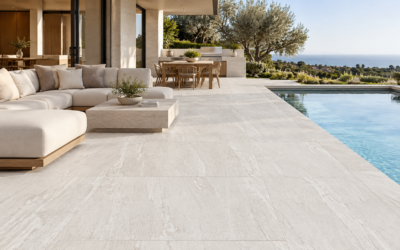
Some porcelain tile is designed for exterior use, including patios, walkways, and pool areas. The tile must be approved for the climate and application, with appropriate thickness, slip resistance, installation materials, and drainage.
Is large-format porcelain tile difficult to install?
Large-format tile requires careful planning, specialized tools, a properly prepared flat substrate, and experienced installation. The finished appearance can be highly refined, but professional installation is strongly recommended.
Explore Stylish Porcelain Tile at Trendy Surfaces
Porcelain tile continues to be a favorite for stylish home design because it brings together durability, versatility, low water absorption, manageable maintenance, and sophisticated visual options. It can imitate natural materials, create clean architectural surfaces, add pattern and texture, or connect multiple areas of a home through a cohesive design.
The right porcelain tile should complement the interior while meeting the technical demands of the space. Thoughtful material selection, careful layout planning, and professional installation can turn a practical surface into a lasting design feature.
Trendy Surfaces helps homeowners, designers, contractors, and renovation professionals explore porcelain tile options for kitchens, bathrooms, living spaces, entryways, outdoor areas, and complete home projects. With styles ranging from understated neutrals to dramatic marble effects and contemporary wood looks, Trendy Surfaces can help you find a material that supports both your aesthetic vision and everyday needs.
Visit Trendy Surfaces to explore porcelain tile collections and begin creating a home that feels polished, functional, and uniquely yours.