How subtle surface details shape atmosphere, comfort, and design sophistication.
Modern interior design is often associated with clean lines, open layouts, and restrained color palettes. Yet within these simplified spaces, one element quietly does much of the emotional and visual work: texture.
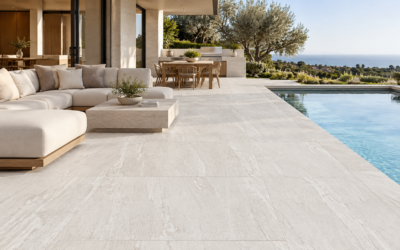
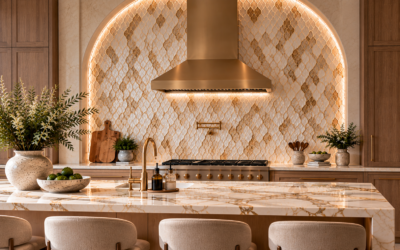
Texture introduces depth where ornamentation is minimal. It prevents modern interiors from feeling sterile or unfinished. Texture, whether in the form of natural stone, matte porcelain, softly honed tile, or layered wall finishes, shapes a space’s atmosphere long before the individual furnishings catch sight.
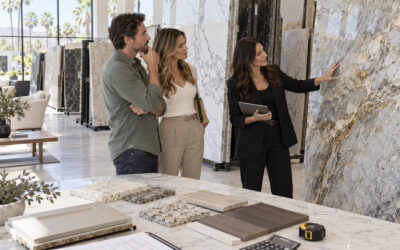
At Trendy Surfaces, designers sourcing materials for homes and commercial projects throughout Irvine and Laguna Niguel frequently prioritize texture as a foundational design decision rather than a decorative afterthought.
“In modern design, texture replaces excess.”
Why texture matters more than color in minimal spaces
Color can energize a room, but texture sustains interest.
In contemporary interiors, neutral palettes dominate. Whites, greys, soft beiges, and warm earth tones create calm environments, but they also risk visual flatness when surfaces are overly smooth or uniform.
Texture introduces variation without disrupting harmony.
A honed stone floor reflects light differently than polished porcelain. A lightly structured wall tile casts soft shadows throughout the day. These subtle changes add complexity while preserving the simplicity modern design demands.
Rather than competing for attention, textured surfaces support the architecture.
Texture influences emotional comfort
People respond to texture instinctively.
Rough stone conveys grounding and permanence. Soft matte finishes suggest warmth and approachability. High-gloss surfaces feel precise and contemporary, but excessive smoothness can feel cold in residential environments.
Modern interiors rely on this psychological response.
By balancing tactile surfaces with sleek forms, designers create spaces that feel both sophisticated and livable.
Texture also absorbs sound differently than smooth surfaces, subtly influencing acoustics. This can soften large open-plan rooms and make them feel more intimate and controlled.
The role of texture in defining zones
Open layouts dominate modern architecture. While visually striking, they require subtle methods of organization.
Texture becomes one of the most effective tools for defining space without walls.
Designers often vary surface finishes to distinguish:
- Living areas from dining spaces
- Kitchens from surrounding rooms
- Hallways from open living zones
- Feature walls from supporting architecture
A change in flooring texture can guide movement naturally. A textured wall behind a seating area can establish a visual anchor without clutter.
People feel these transitions more than consciously notice them, which is precisely why they work.
Natural texture versus manufactured texture
Both natural and engineered materials offer textural value, but they communicate differently.
Natural stone provides organic variation. No two pieces are identical. Subtle irregularities introduce authenticity and depth.
Porcelain and ceramic surfaces, on the other hand, offer controlled texture. Their consistency allows designers to repeat patterns predictably across large areas, maintaining visual order.
Modern interiors often blend both.
Stone introduces warmth and individuality. Porcelain provides precision and performance.
At Trendy Surfaces, curated collections are chosen to support this balance, allowing designers to layer textures strategically without overwhelming the space.
Texture as a marker of quality
Flat, uniform surfaces can appear economical, even when they are not.
Premium materials often reveal themselves through subtle surface detail:
- Fine-grain variation
- Soft edge definition
- Controlled irregularity
- Depth within the finish
These characteristics signal craftsmanship.
In luxury interiors, texture replaces ornamentation as the indicator of refinement.
Rather than decorative excess, quality is communicated through restraint and material integrity.
Longevity of textured surfaces
Another advantage of textured finishes is how they age.
Small imperfections blend naturally into patterned or matte surfaces. Scratches are less visible. Wear becomes part of the surface story rather than a defect.
Highly polished materials demand perfection. Textured materials allow for living.
This makes them especially suitable for family homes, hospitality environments, and high-traffic areas where durability must coexist with elegance.
Conclusion
Texture is not decoration. It has structure, atmosphere, and emotion embedded in material form.
In modern interiors, where simplicity reigns, texture provides the nuance that transforms clean design into compelling space.
It grounds architecture, softens minimalism, and quietly elevates every room it touches.