Breaking down the pros and cons to help you choose the perfect tile for your space.
Choosing the right tile for your kitchen is about more than just color and pattern. It’s a decision that impacts durability, maintenance, and the overall style of your space. Two of the most popular options on the market today are porcelain and natural stone—and while both offer stunning aesthetics, they serve different needs.
At Trendy Surfaces, we guide our clients through this choice every day. Here’s a breakdown of how porcelain tiles and natural stone compare and how to determine which material fits your kitchen best.
“Porcelain is practical. Stone is soulful. Both are beautiful.”
Durability and Functionality
Porcelain is a dense, non-porous ceramic tile that’s baked at extremely high temperatures. The result is a material that is highly resistant to moisture, stains, and scratches—perfect for high-traffic, spill-prone kitchens.
Natural stone, on the other hand, varies depending on type. Granite and slate are very durable, while marble and travertine are more porous and require sealing. While stone can last a lifetime, it needs a bit more TLC.
Winner for Durability: Porcelain
Aesthetics and Texture
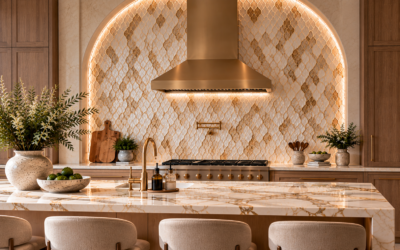
Nothing beats the timeless, organic beauty of natural stone. Each piece is unique, with its veining, color variations, and texture. Stone adds warmth and character to kitchens and pairs beautifully with wood, metal, and neutral tones.
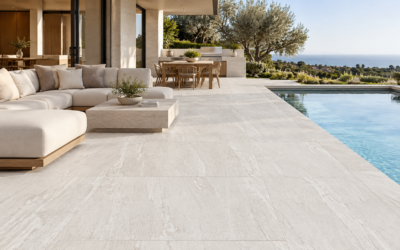
Porcelain tiles can now mimic the look of stone with surprising accuracy, thanks to digital printing. You get a wide range of styles with added consistency and lower cost—but without the natural variance of real stone.
Winner for Authentic Aesthetics: Natural Stone
Maintenance Needs
Porcelain is incredibly easy to maintain. A quick sweep and occasional mop are all it takes to keep it looking pristine. It doesn’t need sealing, polishing, or special cleaners.
Natural stone needs more attention. Depending on the type, it may need to be sealed annually to prevent staining or water damage. Acids (like lemon juice or vinegar) can etch certain types of stone.
Winner for Low Maintenance: Porcelain
“The best kitchens balance durability with design.”
Cost Considerations
Porcelain is generally more budget-friendly than natural stone, both in material and installation costs. Since it’s lighter and easier to cut, labor is often quicker and more affordable.
Natural stone is an investment, but many homeowners find its timeless beauty and long-term durability worth the extra cost.
Winner for Affordability: Porcelain
Environmental Impact
Porcelain tile is manufactured using abundant raw materials and tends to have a lower carbon footprint. Some manufacturers also offer recycled options.
Natural stone is, well, natural—but it requires significant quarrying and transport, which can impact sustainability. However, it is highly durable and long-lasting, reducing the need for replacement.
Winner for Sustainability: Tie
Porcelain or stone? Let Trendy Surfaces help you find the perfect match for your kitchen. Explore both styles in our showroom today.