Blog
How Surface Selection Shapes Interior Design

Why the materials beneath your feet and around your walls quietly determine how a space feels, functions, and endures.
Interior design is often discussed in terms of color palettes, furniture styles, and lighting choices. Yet beneath every visual decision lies a more fundamental layer that influences how all of those elements come together: surface selection. Floors, walls, countertops, and architectural finishes form the physical foundation of any interior environment. They affect not only aesthetics but also durability, comfort, acoustics, and how a space is experienced over time.
Designers understand that surfaces do far more than “fill space.” They establish tone, signal quality, and quietly shape how people move through and emotionally respond to a room. In luxury residential and commercial projects alike, material selection is one of the earliest and most strategic decisions in the design process.
At Trendy Surfaces, where premium tile and stone collections are curated for both designers and homeowners in Irvine and Laguna Niguel, surface selection is viewed not as a finishing touch but as a defining design framework.
“Before furniture is placed or art is hung, the surfaces have already told the story of the space.”
Surfaces as the visual anchor of a room
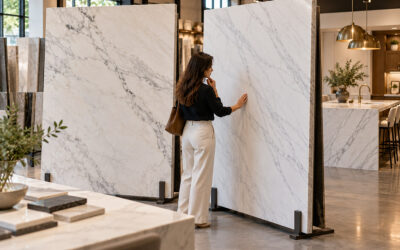
The human eye instinctively seeks large visual planes first. Floors, feature walls, and countertops occupy the greatest visual real estate, which means they set expectations for everything that follows. A warm limestone floor communicates something entirely different than a high-gloss porcelain slab or a dark honed marble surface.
Texture also plays a significant role. Smooth, reflective materials amplify light and create a sense of openness, while matte and natural finishes introduce softness and visual depth. Even subtle variations in stone veining or tile pattern repetition can influence whether a room feels calm, dynamic, formal, or relaxed.
When surfaces are thoughtfully chosen, furnishings feel intentional rather than compensatory. When they are not, even expensive furniture can struggle to feel cohesive within the space.
Designers often describe surfaces as the “canvas” of a project. The better the canvas, the more refined every design layer becomes.
Functionality hidden inside beauty
While visual impact drives initial impressions, performance determines long-term satisfaction. Interior spaces must endure daily wear, changing temperatures, moisture, and human activity. A beautiful material that cannot handle its environment quickly becomes a liability.
Surface selection must account for:
- Foot traffic patterns
- Exposure to water, heat, or direct sunlight
- Maintenance expectations
- Slip resistance and safety
- Long-term color stability
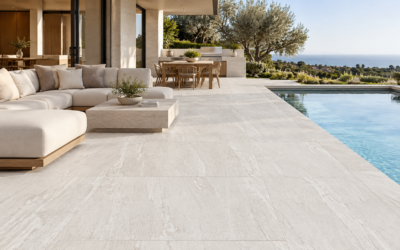
For example, porcelain flooring may be ideal for high-traffic living spaces because of its density and low porosity, while natural stone might be better reserved for controlled environments where patina is embraced as part of the design story.
In kitchens and bathrooms, surfaces must balance elegance with resistance to staining, etching, and thermal stress. A surface that ages poorly will quietly undermine the entire interior experience.
“True design success is when beauty and performance are indistinguishable.”
How surfaces influence spatial perception
Materials also affect how large, bright, or intimate a space feels. Large-format tiles reduce visual interruptions and can make smaller rooms appear more expansive. Light-colored surfaces reflect natural light, while darker tones ground a room and create intimacy.
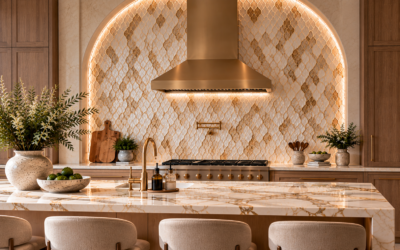
Vertical surfaces carry equal weight. A textured stone wall can introduce architectural interest without additional decor. Conversely, overly busy wall patterns can visually compress a space if not proportioned carefully.
Even grout color and joint width play a role in perceived scale and rhythm. Designers routinely use surface layout as a tool to manipulate spatial flow, guiding the eye across rooms and corridors with intention.
This is why surface planning often happens before final floor plans are locked. The materials influence how architecture is interpreted, not just how it is decorated.
Longevity as a design principle
Trends come and go, but surfaces are costly and disruptive to replace. This feature makes longevity a core consideration in material selection. Designers increasingly favor timeless finishes that can evolve alongside changing furniture and decorative styles.
Neutral stones, subtle textures, and natural color variations tend to age gracefully, while overly bold patterns may feel dated within a few years. The most successful interiors often rely on durable, understated surfaces that allow accents and furnishings to carry trend-driven expression.
At Trendy Surfaces, many clients seek materials that will remain visually relevant for a decade or more, especially in high-investment spaces such as luxury homes, hospitality projects, and commercial developments.
This long-term perspective transforms surface selection into a strategic investment rather than a purely aesthetic choice.
The role of expert material sourcing
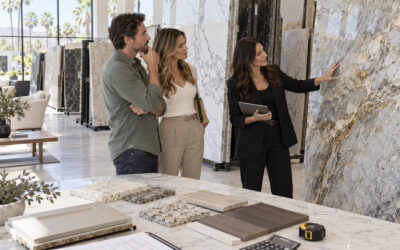
The difference between an average interior and a refined one is often found in the quality of materials and the expertise behind their selection. Access to premium collections, consistent quality control, and informed guidance dramatically reduces costly mistakes.
Specialty distributors such as Trendy Surfaces provide designers and homeowners with:
- Curated stone and tile selections
- Insight into performance characteristics
- Recommendations based on environment and usage
- Consistent batch quality for large projects
- Access to modern formats and finishes
This partnership allows design teams to focus on creative execution while maintaining confidence in technical performance.
Conclusion
Surface selection quietly shapes every interior space long before decorative details enter the conversation. It defines how rooms feel, how they age, how they function, and how they are remembered. When approached strategically, materials become more than construction components. They become the language through which design communicates quality, intention, and longevity.
For those designing or renovating in Southern California, working with a specialized supplier like Trendy Surfaces ensures that this foundational layer is treated with the importance it deserves.
If you are planning a residential or commercial project and want guidance on selecting surfaces that balance design, durability, and long-term value, visit Trendy Surfaces in Irvine or Laguna Niguel to explore their premium tile and stone collections and consult with their material specialists.