Why organic materials create an atmosphere that manufactured finishes cannot replicate.
Interior spaces communicate emotion before they communicate function. A room can feel calm, grounded, dramatic, or distant within seconds of entry. One of the most powerful contributors to that emotional response is material choice, especially when natural stone is involved.
Unlike engineered surfaces, stone carries irregularity, depth, and visual history. It reflects geological time, not manufacturing cycles. This distinction alters how people experience a space on both conscious and subconscious levels.
At Trendy Surfaces, designers throughout Irvine and Laguna Niguel frequently select natural stone to introduce warmth, permanence, and character into modern interiors.
“Stone does not decorate a room. It anchors it.”
A sense of authenticity
Natural stone brings authenticity that cannot be reproduced artificially.
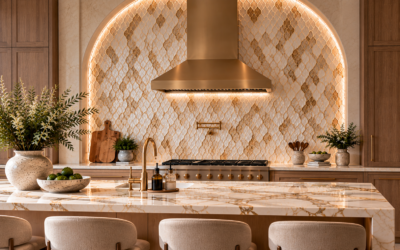
Veining patterns vary. Color shifts gently across slabs. Subtle imperfections reveal the stone’s origin.
These characteristics remind occupants that the material formed over centuries, not months. This sense of permanence creates psychological comfort. The room feels stable, intentional, and rooted.
In contrast, uniform surfaces often feel temporary, even when visually appealing.
Stone communicates longevity.
Visual depth that changes with light
One of the defining traits of natural stone is how it interacts with light.
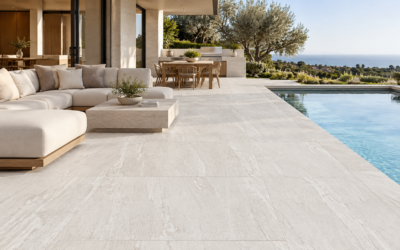
Polished marble reflects brightness differently throughout the day. Honed limestone absorbs shadows softly. Textured travertine creates movement as sunlight shifts.
This dynamic quality adds dimension to rooms that might otherwise feel static.
Walls gain depth. Floors appear layered. Spaces evolve visually from morning to evening.
Manufactured surfaces tend to remain visually consistent. Stone remains alive.
Emotional warmth in modern design
Modern interiors often emphasize geometry, glass, and open layouts. While visually striking, these elements can feel impersonal when used alone.
Natural stone counterbalances this effect.
It introduces organic softness into structured environments.
A stone feature wall softens sharp architecture. A marble floor grounds minimal furnishings. A limestone bathroom feels spa-like rather than clinical.
This balance is why designers often pair stone with contemporary forms.
“Modern spaces need something human. Stone provides it.”
Sound and sensory experience
Stone influences more than sight.
Footsteps sound different on stone than on synthetic materials. Touching a cool stone surface triggers a tactile response that feels substantial and calming.
In large rooms, stone absorbs and reflects sound differently depending on finish, subtly shaping acoustics.
These sensory layers combine to create a fuller spatial experience.
How stone shapes perceived value
Rooms finished in natural stone often feel more valuable even before cost is known.
This perception arises from association. Stone has historically been used in civic buildings, monuments, and long-standing architecture.
Its presence implies investment, care, and durability.
In residential interiors, this translates into a sense of luxury without excess.
In commercial spaces, it communicates credibility and permanence.
Aging as character, not damage
Natural stone does not remain frozen in time.
It develops patina. Edges soften. Surfaces gain depth.
Rather than diminishing its appeal, this evolution often enhances it.
Well-maintained stone grows richer rather than worn.
This characteristic makes stone uniquely suited for long-term design strategies where continuity matters more than short-term perfection.
Selecting the right stone for the right atmosphere
Not all stone communicates the same emotion.
- Marble suggests elegance and formality
- Limestone conveys calm and softness
- Travertine feels relaxed and Mediterranean
- Granite communicates strength and stability
Designers choose stone not only for performance but also for emotional tone.
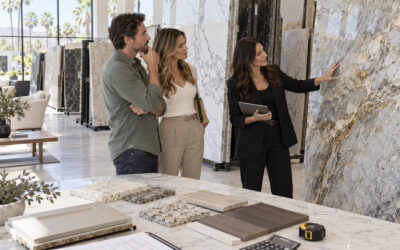
At Trendy Surfaces, material selection is guided by both application and desired atmosphere, ensuring the stone supports the story of the space rather than competing with it.
Final thoughts
Natural stone changes how rooms feel because it changes how people relate to them.
It adds weight to design, warmth to modern spaces, and authenticity to environments shaped by contemporary architecture.
It is not merely a surface. It is an experience built into the room itself.
To explore premium natural stone collections and receive expert guidance on selecting materials for your project, visit Trendy Surfaces in Irvine or Laguna Niguel.